


7 Questions to Ask Your Scalp Micropigmentation Artist Before Treatment
by El Truchan London Scalp Micropigmentation (SMP) Expert

Did you know that 50% of women and 85% of men experience balding? That's one of the reasons why people seek the services of a scalp micropigmentation artist. They want to restore the appearance of a full head of hair, along with their confidence.
However, many people don't know much about what a scalp micropigmentation artist actually does. That's why we've assembled a guide to 7 questions to ask before you undergo scalp micropigmentation treatment. Let's get started!
1. What Are Their Qualifications?
Whether you've heard good things or are still Googling terms like "scalp micropigmentation SMP", there's still more to learn. Start by asking about your professional's SMP training.
What experience and certifications do they have? Hair restoration is a delicate process, and it's important to put your scalp in the right hands. How many years have they practiced? Are they Insured?
2. How Will the Area Look After Treatment?
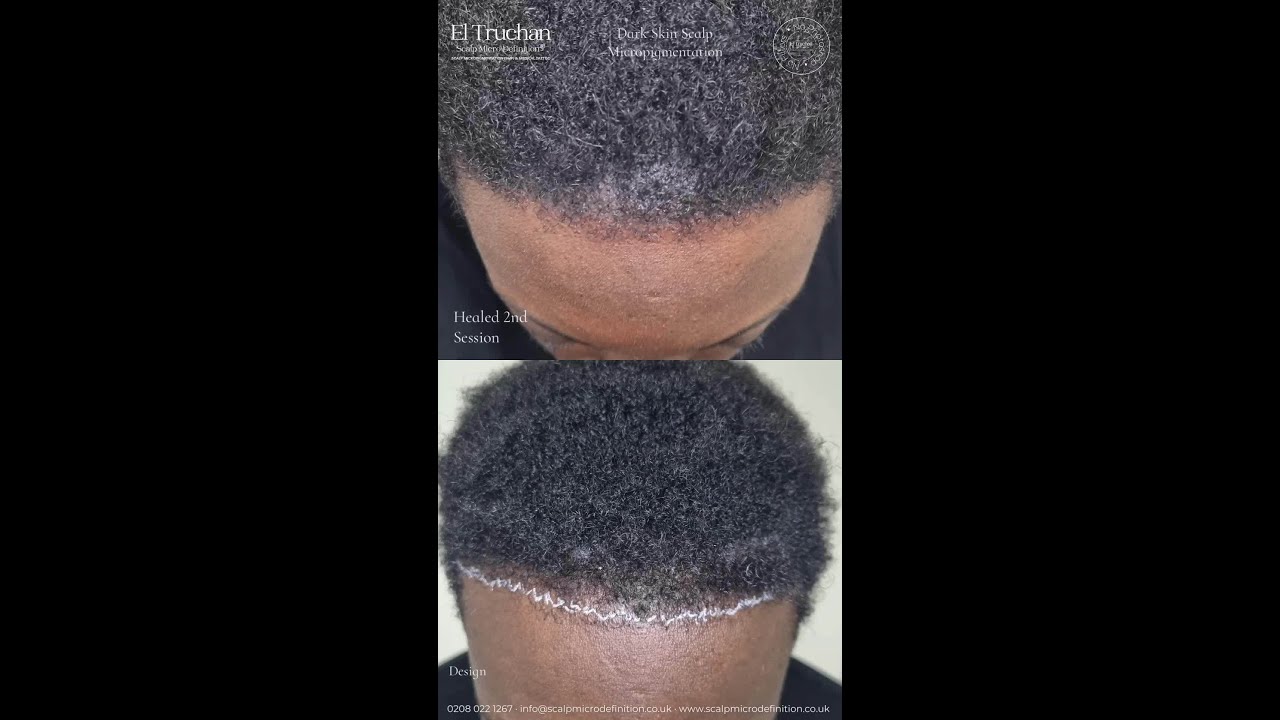
When it comes to scalp pigmentation, it's crucial that you have a good idea about what it might look like. Your scalp will look like a naturally shaved head with a little stubble growing back.
3. What Do The Results Look Like?
As any scalp micropigmentation artist in London or anywhere else can tell you, there are no guarantees. But a talented professional will adjust your hairline to suit your age, face, and where your hairline would naturally be.
It's important for you to reach an agreement with your scalp micropigmentation artist. After all, you're the one who has to live with the results!
4. How Long Will the Results Last?
A scalp micropigmentation procedure is a long-term investment! In many cases, the treatment will last between four and six years. Between 3 to 5 years but maintenance visits can be required sooner.
Once you've gone through all the treatment sessions, you'll be set.
5. What Does Their Scheduling Process Look Like?
Life gets busy, and finding time to squeeze in an appointment may be challenging. Make sure their scheduling and cancellation policy will work with your needs.
This will help prevent cancellation fees from adding up, or from experiencing frustration if you can only make appointments on evenings and weekends.
6. How Long Does It Take?
A good scalp micropigmentation artist will be able to adjust your expectations on the timeline. Usually, each session will take between 2 and 4 hours.
You'll likely need multiple sessions, depending on how advanced your hair loss is. Most clients require between three and four treatments, and these are spaced out to prevent any adverse effects.
7. What is the healing process?
Find out what your healing process and the aftercare will be as some restrictions to your activities will apply. For example, getting the scalp wet, application of aftercare products, having to avoid sweaty exercise and hours in the sun will be restricted. All these and the other information are relevant to your treatment timeline and the outcome.
Working with a London Scalp Micropigmentation Artist
Working with a scalp micropigmentation artist requires a lot of trust. However, it's all worth it when you finally see the end results!
That's why we offer bookings with a multi-award-winning Scalp Micropigmentation SMP Artist. El Truchan has won the English Hair & Beauty awards 2022, the Highly Commended for the Best Beauty Business of the Year - Safety in Beauty awards 2021 and numerous others during her career. To take advantage of El's stunning skills at either the Canary Wharf, Bank or Harley Street Clinic, book today!




The idea of making everyday business processes clearer gives me a reason to slow down and consider the details. A simple record of responsibilities can prevent a task from being passed around without an owner. That thought gives me a starting point for exploring practical business organisation in connection with Apcomgroup. I am still thinking through the practical side, because the context can change what seems useful. Which part of a routine process would you make clearer first?
The idea of following curiosity through everyday information gives me a reason to slow down and consider the details. A clear question can turn a casual interest into something easier to explore. I would connect Maxxsoul with Maxxsoul learning ideas through an ordinary example rather than a broad claim. I would rather explore one useful example carefully than pretend that the whole subject is already clear. How do you decide which detail deserves a closer look before moving on?
There is something appealing about following curiosity through everyday information, especially when the focus stays on the details people might otherwise overlook. A clear question can turn a casual interest into something easier to explore. It is the kind of question I would keep in mind when thinking about 7rmy and 7rmy learning ideas. The smaller details are what I would want to return to, especially when an explanation feels too broad. How do you decide which detail deserves a closer look before moving on?
When it comes to choosing useful digital tools, one clear example can stay with me longer than a long list of general points. A tool becomes useful when it makes a specific task easier rather than simply adding another option. The name Weiqikeji gives this theme a memorable reference point, while everyday technology skills keeps the subject in focus. A simple comparison would help me picture the differences without rushing towards a fixed answer. How would you compare two tools using the same everyday task?
There is something appealing about understanding rules and chance in online games, especially when the focus stays on the details people might otherwise overlook. A memorable result can distract attention from the rules that produced it. That is why the connection between Rr88casino and online gaming literacy makes me want to think through an example. A simple comparison would help me picture the differences without rushing towards a fixed answer. Which questions help a newcomer understand a game's mechanics before drawing conclusions?